


Improve your CV
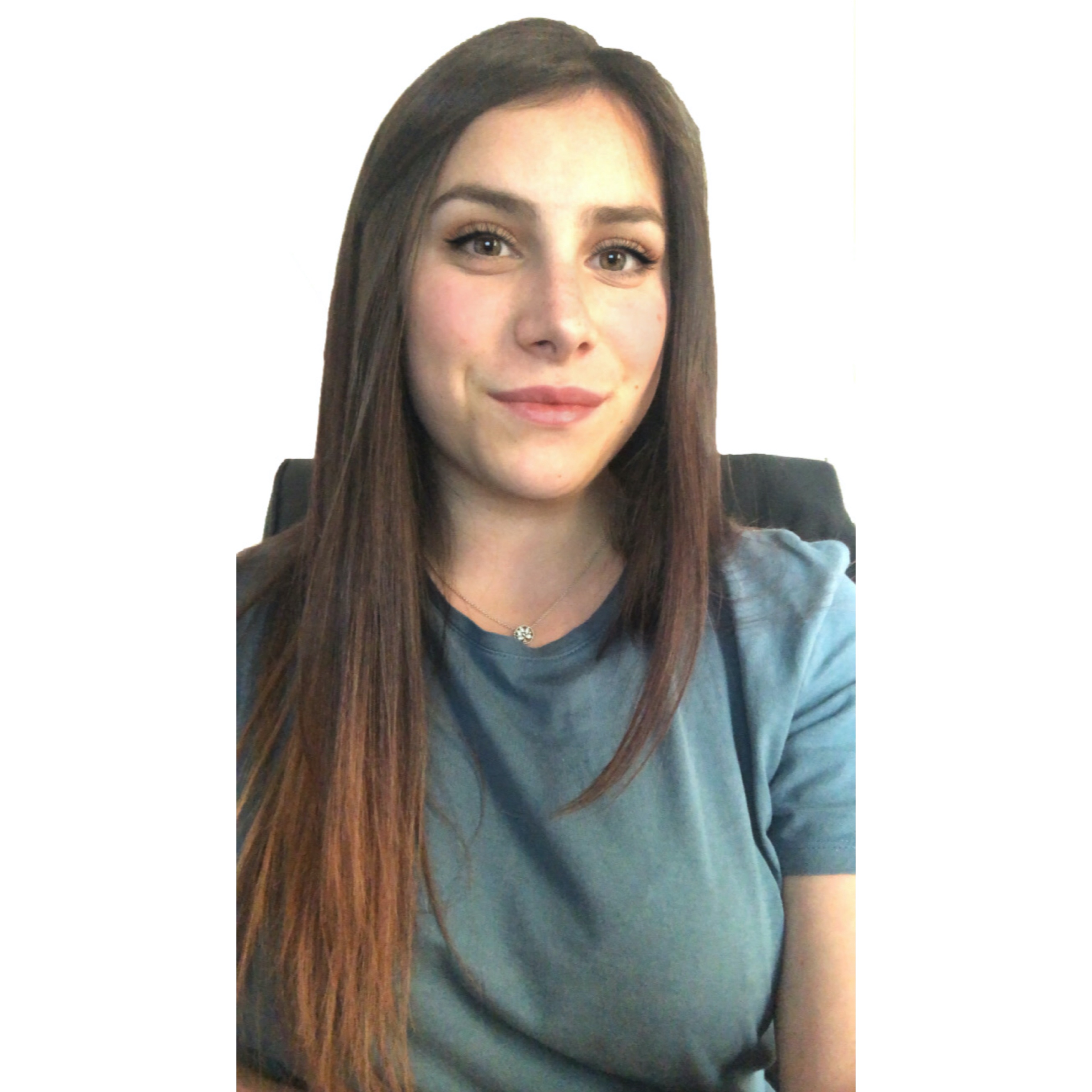
Get your bookMarta asks her friend Carlos, who is responsible for HR, for some advice on how to improve her CV.
Exercise 1: Language immersion
Instruction: Watch the video and answer the related questions.
Fetching your corrections... Please don't close this page yet.
| Word | Translation |
|---|---|
| La carta de recomendación | Letter of recommendation |
| El reclutador | Recruiter |
| Las habilidades | Skills |
| Los conocimientos | Knowledge |
| El formato PDF | PDF format |
| La tipografía | Typeface |
| Las vacantes | Job openings |
| La candidatura | Application |
1. ¿Para qué sirve adjuntar una carta de recomendación al CV?
(What is the purpose of attaching a letter of recommendation to your CV?)2. ¿A quién se recomienda pedir que escriba sobre tus aptitudes y conocimientos?
(Who is it recommended to ask to write about your qualifications and knowledge?)3. ¿En qué formato conviene guardar el CV para que se lea en cualquier dispositivo?
(In what format is it advisable to save your CV so it can be read on any device?)4. ¿Por qué es importante usar palabras clave en el CV?
(Why is it important to use keywords in your CV?)Exercise 2: Dialogue
Instruction: Read the dialogue and answer the questions.
Fetching your corrections... Please don't close this page yet.
Marta pide a su amigo Carlos, responsable de RR. HH., algunos consejos para mejorar su CV.
| 1. | Marta: | Hola, Carlos. ¿Podrías revisar mi currículum? | (Hi, Carlos. Could you review my CV?) |
| 2. | Carlos: | Claro, Marta, vamos a verlo. | (Sure, Marta, let's take a look at it.) |
| 3. | Marta: | Me parece muy positivo que incluyas tu experiencia en oficina; eso encaja bien con el puesto de asistente administrativo. | (It seems very positive to me that you include your office experience; that fits well with the administrative assistant position.) |
| 4. | Carlos: | Gracias, quería destacar esa parte. | (Thanks, I wanted to highlight that part.) |
| 5. | Marta: | También es muy bueno que indiques tu nivel de inglés. Una empresa internacional lo valorará mucho. | (It's also very good that you indicate your level of English. An international company will value it a lot.) |
| 6. | Carlos: | Sí, lo uso a menudo en mi trabajo actual. | (Yes, I use it often in my current job.) |
| 7. | Marta: | La estructura es clara y está bien organizada. Sin embargo, te recomiendo guardarlo en PDF para evitar problemas al abrirlo. | (The structure is clear and well organized. However, I recommend saving it as a PDF to avoid problems when opening it.) |
| 8. | Carlos: | De acuerdo, lo cambiaré a PDF. | (Okay, I'll change it to PDF.) |
| 9. | Marta: | Además, sería conveniente añadir una fotografía profesional, con fondo neutro. | (Also, it would be advisable to add a professional photo, with a neutral background.) |
| 10. | Carlos: | Lo tendré en cuenta. Haré una nueva foto. | (I'll keep that in mind. I'll take a new photo.) |
| 11. | Marta: | Con esos ajustes, tu currículum estará mucho más completo. | (With those adjustments, your CV will be much more complete.) |
| 12. | Carlos: | Perfecto, Marta. Muchas gracias por tu ayuda. | (Perfect, Marta. Thank you very much for your help.) |
1. ¿Qué recomienda Marta para evitar problemas al abrir el currículum?
(What does Marta recommend to avoid problems when opening the CV?)2. ¿Qué información dice Marta que una empresa internacional valorará mucho?
(What information does Marta say an international company will value a lot?)Learn Spanish A2 elementary: A step-by-step course from level A1 to A2 with audio
ISBN 979-13-88253-30-0
This app supports this book.


